
Introduction to Personal Finance
Personal finance is one of the most important yet often overlooked aspects of everyday life. It affects how people earn spend save invest and protect their money. Every financial decision whether small or large plays a role in shaping long term stability and quality of life. Personal finance is not only for experts or high income earners. It is a practical life skill that helps individuals manage resources wisely and prepare for the future with confidence.
In a world of rising living costs economic uncertainty and constant financial choices understanding personal finance has become essential. When people take control of their finances they gain clarity reduce stress and build a stronger foundation for personal and professional growth.

What Is Personal Finance
Personal finance refers to the management of an individual’s or household’s money and financial decisions. It includes income management budgeting saving investing insurance debt management and retirement planning. The goal of personal finance is to make sure that financial resources are used effectively to meet current needs while preparing for future goals.
Personal finance is about aligning money with life priorities. It helps people decide how to allocate income responsibly so they can enjoy life today while securing tomorrow. Whether someone earns a modest salary or a high income personal finance principles apply equally.
The Core Areas of Personal Finance
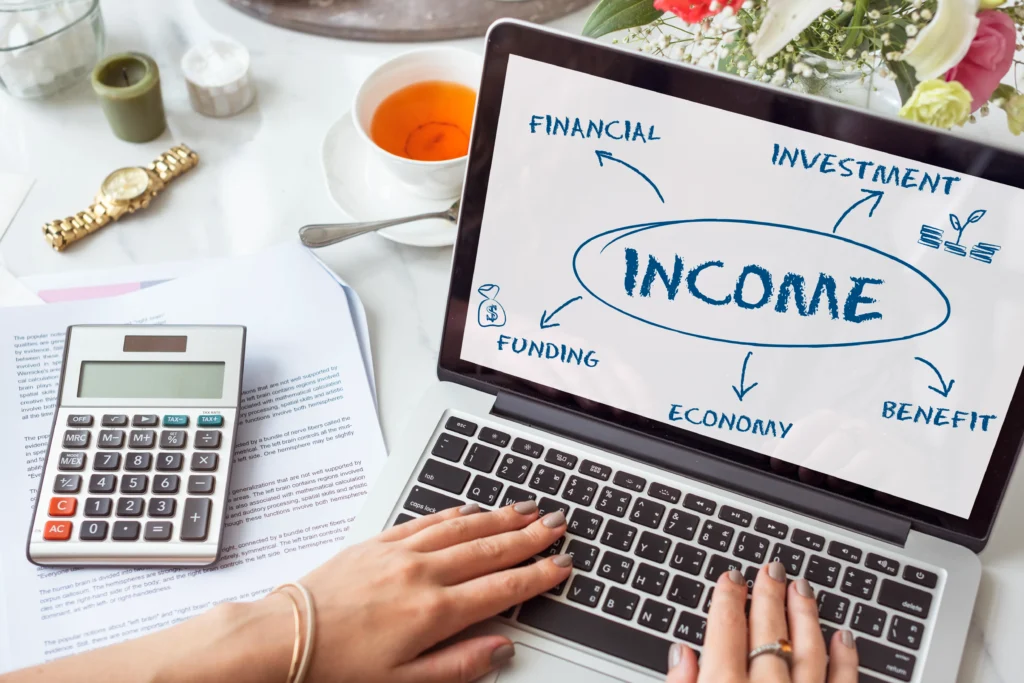
Personal finance is built on several interconnected areas that work together to support financial well being. Income is the starting point. It includes wages business earnings and any additional sources of money. Understanding income helps people plan realistically.
Spending is the next key area. Expenses include necessities like housing food and utilities as well as discretionary spending. Managing expenses ensures that spending does not exceed income.
Saving is the act of setting aside money for future needs. Investing involves using money to generate growth over time. Protection through insurance safeguards against unexpected events. Planning for retirement ensures financial independence later in life.
When these areas are balanced personal finance becomes a powerful tool for stability and growth.
Why Personal Finance Matters in Daily Life
Personal finance matters because it directly impacts everyday decisions. From paying bills to planning vacations financial choices shape lifestyle and security. Without financial awareness people often experience stress confusion and uncertainty.
Good personal finance management provides control. It helps individuals handle emergencies manage debt avoid financial traps and plan for major life events. It also improves confidence and reduces anxiety related to money.
Personal finance is not about restriction. It is about empowerment. When people understand their finances they can make informed choices that support their values and goals.
Budgeting as the Foundation of Personal Finance
Budgeting is one of the most essential tools in personal finance. A budget tracks income and expenses to ensure money is spent intentionally. It provides visibility into spending patterns and highlights areas where adjustments can be made.
A well designed budget does not limit freedom. Instead it creates balance by ensuring that essentials are covered savings are prioritized and discretionary spending remains under control. Budgeting helps prevent overspending and supports long term goals.
Consistency is more important than perfection. A simple realistic budget that is reviewed regularly delivers long lasting benefits.
Saving and Emergency Preparedness
Saving is a cornerstone of personal finance. It provides security and flexibility. An emergency fund is especially important. It protects individuals from unexpected expenses such as medical bills car repairs or temporary income loss.
Having savings reduces reliance on debt and provides peace of mind. It allows people to handle challenges without disrupting long term plans. Beyond emergencies savings also support planned goals like education travel or major purchases.
Saving regularly even in small amounts builds strong financial habits and long term resilience.
The Role of Investing in Personal Finance
Investing allows money to grow over time and plays a key role in building wealth. While saving preserves money investing increases its value by generating returns. This growth is essential to keep up with inflation and achieve long term goals.
Investing does involve risk but risk can be managed through diversification and long term planning. Understanding investment options and aligning them with personal goals and risk tolerance is critical.
Personal finance is not complete without a thoughtful approach to investing. It transforms income into future security.
Understanding Debt and Credit
Debt is a common part of modern life. Used wisely it can support education home ownership or business growth. Used poorly it can create financial stress and long term challenges.
Personal finance helps individuals understand how debt works including interest rates repayment terms and credit scores. Managing debt responsibly improves financial flexibility and reduces costs over time.
Avoiding high interest consumer debt and maintaining good credit are important steps toward financial health.
Personal Finance and Life Goals
Personal finance provides the structure needed to achieve life goals. Whether the goal is buying a home starting a business supporting family or retiring comfortably financial planning turns aspirations into achievable steps.
Clear goals help prioritize spending and savings. They give direction to financial decisions and motivate consistent effort. Personal finance connects daily actions with long term outcomes.
Without goals money often gets spent without purpose. With goals money becomes a tool for progress.
The Importance of Financial Literacy
Financial literacy is the ability to understand and apply personal finance concepts. It empowers individuals to make informed decisions and avoid common mistakes. Financial literacy improves confidence and independence.
People with strong financial literacy are better equipped to evaluate financial products understand risks and plan effectively. Learning about personal finance is an ongoing process that adapts to life changes and economic conditions.
Education is one of the most valuable investments in personal finance.
Personal Finance in a Changing Economy
Economic conditions change interest rates fluctuate and inflation affects purchasing power. Personal finance helps individuals adapt to these changes proactively.
By maintaining savings managing risk and diversifying income people can remain resilient during uncertainty. Personal finance encourages preparation rather than reaction.
Those who understand their finances are better positioned to navigate economic shifts with confidence.

Personal Finance and Mental Well Being
Money stress is one of the most common sources of anxiety. Poor financial management often leads to worry conflict and reduced quality of life. Personal finance improves mental well being by providing clarity and control.
Knowing where money goes having a plan and being prepared for the future reduces stress significantly. Financial stability supports emotional health and personal relationships.
Personal finance is not just about money it is about peace of mind.
Building Healthy Financial Habits
Strong personal finance is built on habits rather than one time actions. Regular saving mindful spending continuous learning and periodic review create lasting results.
Healthy financial habits develop over time. Small consistent actions compound into significant outcomes. Personal finance rewards discipline patience and long term thinking.
Habits are more powerful than income when it comes to financial success.
Personal Finance for Every Stage of Life
Personal finance needs change over time. Early stages focus on budgeting and saving. Mid life planning emphasizes investing and asset building. Later stages prioritize protection and retirement planning.
Personal finance adapts to life events such as marriage parenthood career changes and aging. Reviewing and adjusting financial plans ensures continued alignment with goals.
Flexibility is a key strength of effective personal finance management.
Conclusion
Personal finance is a vital life skill that influences stability freedom and quality of life. It empowers individuals to make informed decisions manage challenges and plan for the future with confidence.
By understanding income controlling expenses saving consistently investing wisely and managing risk people can build a strong financial foundation. Personal finance is not about perfection or wealth alone. It is about balance intention and long term security.
When practiced thoughtfully personal finance becomes a powerful tool that supports everyday life and creates opportunities for lasting financial well being.